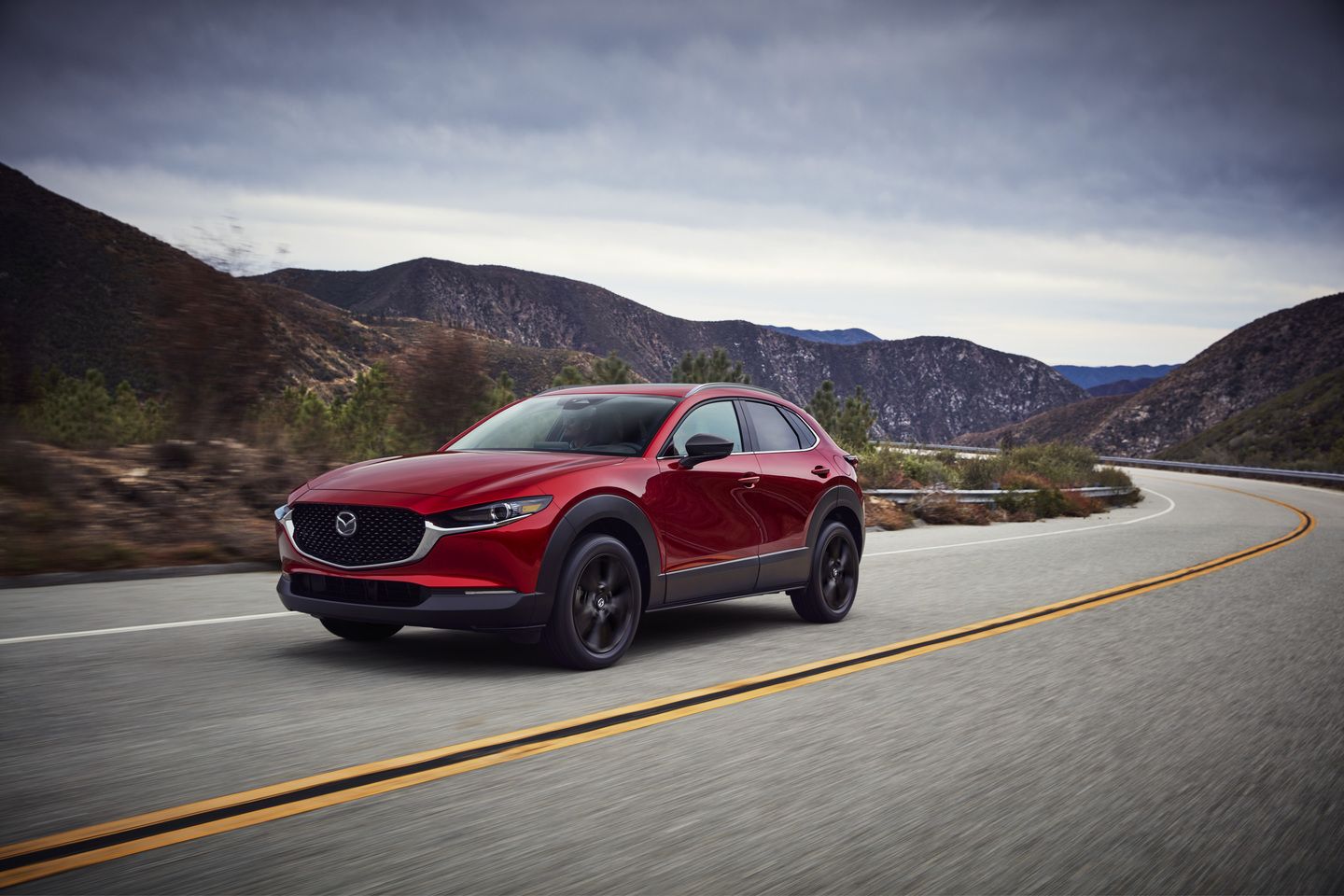
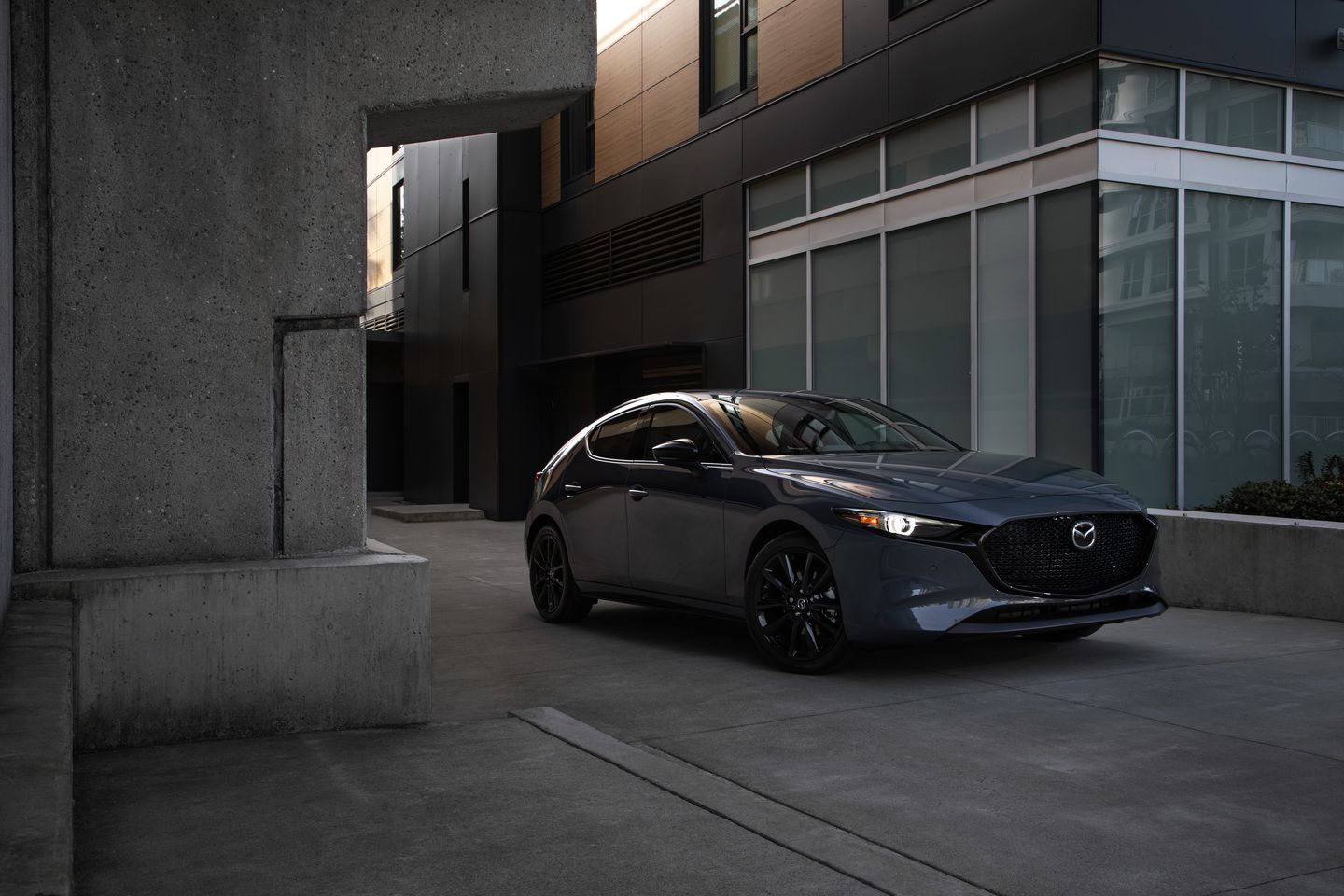
2026 CX-70 PHEV vs. MHEV: 5 Questions That Decide Which One You Should Buy
May 29 2026,

The 2026 Mazda CX-70 comes with three powertrain options: two versions of a 3.3 L inline-six with mild-hybrid assist, and a plug-in hybrid pairing a 2.5 L four-cylinder with an electric motor and a 17.8 kWh battery. Both directions share the same platform, the same eight-speed automatic, and standard i-Activ AWD — but the experience of owning each one is meaningfully different. The question isn't which one sounds better on paper. It's which one fits how you actually use a vehicle.
These five considerations help clarify the decision. Work through each one honestly and the right choice tends to emerge on its own.
At a Glance: CX-70 MHEV vs. PHEV
|
CX-70 MHEV (Standard) |
CX-70 MHEV (High Output) |
CX-70 PHEV |
|
|---|---|---|---|
|
Engine |
3.3 L Inline-6 Turbo |
3.3 L Inline-6 Turbo |
2.5 L I4 + electric motor |
|
System Power |
280 hp / 332 lb-ft |
340 hp / 369 lb-ft |
323 hp / 369 lb-ft |
|
EV Range |
None |
None |
Up to 51 km (SC trims) |
|
NRCan Combined |
9.3 L/100 km |
9.5 L/100 km |
3.8 Le/100 km (blended) |
|
Max Towing |
5,000 lbs (2,268 kg) |
5,000 lbs (2,268 kg) |
3,500 lbs (1,588 kg) |
|
Trims Available |
GS-L, GT, GT-P, Signature |
GT-P, Signature |
GS SC, GS-L SC, GT, Signature |
|
Base MSRP |
$49,750 |
$58,300 (GT-P) |
$52,750 (GS SC) |
1. How Do You Drive Day to Day?
This is the most useful question to ask first. If a large portion of your daily driving falls under 51 km — a commute, school runs, errands — the PHEV's electric-only EV Mode can cover much of that on battery power alone. The 2026 CX-70 PHEV GS SC and GS-L SC trims offer up to 51 km of electric range; the GT PHEV trim offers 43 km. For short daily trips charged overnight, the gasoline engine rarely needs to engage.
If your driving is primarily highway-based or varies day to day — long regional drives, irregular distances, routes without convenient charging access — the MHEV's simplicity is an advantage. Fill the tank and drive. The 3.3 L inline-six delivers a NRCan-estimated 9.3 L/100 km combined for standard-output models, and requires no charging routine.
2. Do You Have a Place to Charge?
The PHEV's efficiency story depends heavily on regular charging. Level 1 charging (120 V, 15 A) brings the battery from 20% to 80% in approximately 6.4 hours. Level 2 (240 V, 30 A) does the same in 1.3 hours. Without regular access to either — at home, at work, or at public stations along your route — the PHEV operates primarily on its gasoline engine, where it returns an estimated 9.0–9.2 L/100 km. In that scenario, the blended efficiency advantage shrinks significantly.
Buyers with a garage or dedicated parking spot who can install a Level 2 charger get the most from the PHEV. Those in apartments, shared parking, or areas with limited charging infrastructure may find the MHEV a more practical fit.
3. Does Towing Capacity Matter to You?

If you tow regularly — a trailer, a boat, recreational equipment — this point matters directly. The CX-70 MHEV reaches a maximum towing capacity of 5,000 lbs (2,268 kg) when equipped with Mazda Genuine Towing Accessories, across all MHEV trims. The CX-70 PHEV is rated for up to 3,500 lbs (1,588 kg). That's a meaningful gap for buyers who tow anything approaching the upper limit.
For buyers who don't tow, or tow light loads well within the PHEV's capacity, this distinction doesn't change the decision. But it's worth knowing before committing.
4. What Level of Performance Are You Looking For?
Both powertrains deliver strong, real-world performance. The PHEV's 323 hp system output and 369 lb-ft of torque (with premium fuel) give it strong acceleration, particularly at lower speeds where the electric motor contributes immediately. The MHEV lineup's standard 280 hp / 332 lb-ft (GS-L and GT trims) feels composed and confident at any pace.
For buyers drawn to the upper end of the MHEV range — the GT-P and Signature — the high-output 3.3 L engine produces 340 hp and 369 lb-ft of torque on premium fuel. That version is more powerful than the PHEV on total system output, and it's worth noting for buyers who prioritize outright performance over EV capability.
5. Which Trim Features Matter Most to You?
The PHEV and MHEV lineups don't overlap perfectly. The 2026 PHEV lineup adds newly introduced SC trims — GS SC and GS-L SC — designed around EV range optimization at a competitive price point. Moving up to the PHEV GT and PHEV Signature delivers premium features including Nappa leather, the Driver Personalization System with facial recognition (Signature), Windsor Tan interior with Grand Luxe Suede accents (Signature), and a 150-watt AC outlet in the cargo area.
The MHEV GT-P trim offers the high-output engine that the PHEV lineup doesn't match in peak horsepower, and both lineups share a Signature trim at the top with comparable luxury appointments.
Which One Is Right for You?
Choose the PHEV if you have regular charging access, drive primarily in the city or suburbs, and want to reduce fuel costs on daily trips. The 51 km EV range on SC trims and the blended efficiency of 3.8 Le/100 km make it a strong fit for structured daily routines.
Choose the MHEV if you drive longer distances without predictable charging access, want maximum towing capacity, or are drawn to the high-output 3.3 L engine in the GT-P or Signature trim. The inline-six's character and the MHEV's simplicity suit buyers for whom refuelling is more practical than plugging in.
Both share the same platform, AWD system, and Mazda driving philosophy. Neither is the wrong choice — the difference is how your life is organized.
Talk It Through at King Mazda in Saint John
Choosing between the CX-70 MHEV and PHEV comes down to specifics — your commute, your parking situation, your driving habits. The team at King Mazda in Saint John can help you map those details against each powertrain and point you toward the trim that makes the most sense. Reach out or stop in to start the conversation.